
Top 5 Fluffiest Chicken Breeds (And What It’s Really Like to Raise Them)
Chickens come in all shapes, sizes, and feather types — but fluffy chickens are the ones that make people stop, smile, and take photos. Whether you’re imagining a backyard full of round, soft feathered pals or just want birds that stand out on Instagram, these breeds bring charm and character to any flock.
In this guide, we’re exploring the top 5 fluffiest chicken breeds you might consider for your backyard — and what it’s really like to raise them.
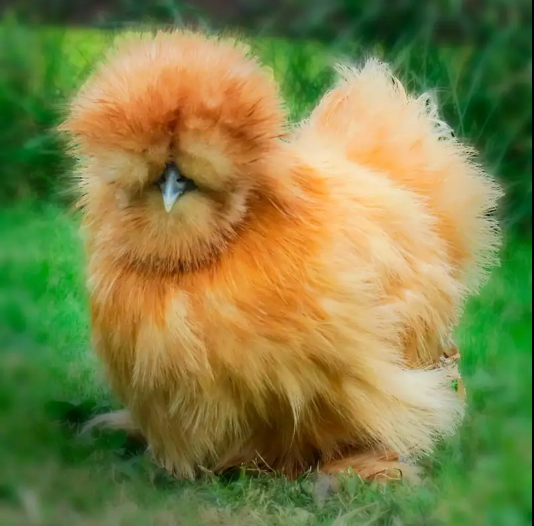
Image: https://www.chickencoopcompany.com/products/silkie-bantam-special?srsltid=AfmBOook484kyyzw6O2Bat55uzYk8zpr6Db1EAv-tRxyAoW6PQ5gWsLm
1) Silkie — The Ultimate Fluffball
Silkies are arguably the most recognizable fluffy chicken breed — so soft they often get compared to teddy bears. Unlike typical chicken feathers, Silkie plumage lacks the tiny hooks (called barbicels) that hold feathers together, giving them a silky, fur-like look and feel.
Silkies also stand out because they often have black skin and bones plus five toes on each foot, traits that make them unique among chickens.
Why they’re great:
Extremely friendly and calm
Great for families and children
Often used as broody mothers
What to expect:
Silkies aren’t the best egg layers, usually producing fewer than standard laying breeds, but they make up for it with personality.
2) Cochin — The Gentle Giant
Cochins are big birds with abundant, soft feathers that almost hide their legs entirely. Their rounded bodies and fluffy footprints make them look like walking poofs.
Breed highlights:
Very calm, patient, and friendly
Often good with children and handling
Amazing in cold climates due to heavy feathering
What to expect:
They are not prolific layers, but their gentle nature and fluff make them excellent pets and show birds.
3) Orpington — Fluffy, Friendly, and Functional
Orpingtons — especially Buff Orpingtons — are known for their thick, downy feathers, friendly disposition, and adaptability.
Why people love them:
Great dual-purpose birds (good for eggs and companionship)
Very calm and easygoing
Fluffy feathers help keep them warm in winter
What to expect:
Orpingtons are hearty and forgiving, making them a great choice for first-time chicken keepers who still want fluffy charm.
4) Faverolles — Fluff With Personality
Faverolles are known for their tufted beards, feathered feet, and soft plumage that makes them look even bigger than they are.
Breed perks:
Friendly and social with humans
Good egg layers compared to other fluffier breeds
Great for mixed backyard flocks
What to expect:
They’re not as well known as Silkies or Cochins, but they’re a favorite among poultry enthusiasts who want something a bit different.
5) Brahma — Majestic and Fluffy
Often called the “gentle giant,” Brahmas are large chickens with thick, fluffy feathers that sometimes extend down their legs.
Breed highlights:
Outstanding winter birds
Calm, steady temperaments
Good egg layers for their size
What to expect:
Their large size and soft plumage make them standout flock members — just be sure you have space for them!
Final Thoughts on Fluffy Chickens
Fluffy breeds can be adorable and captivating, but they’re not just about looks — their fluff often serves real purposes:
extra insulation in cold weather
unique personalities
sometimes stronger brooding instincts
They can require a bit more attention to grooming and cleanliness simply because all that fluff can trap moisture or bedding.
Whether you’re drawn to bantam Silkies or big feathered Brahmas, these breeds make wonderful additions to backyard flocks and are often among the most beloved birds.

